

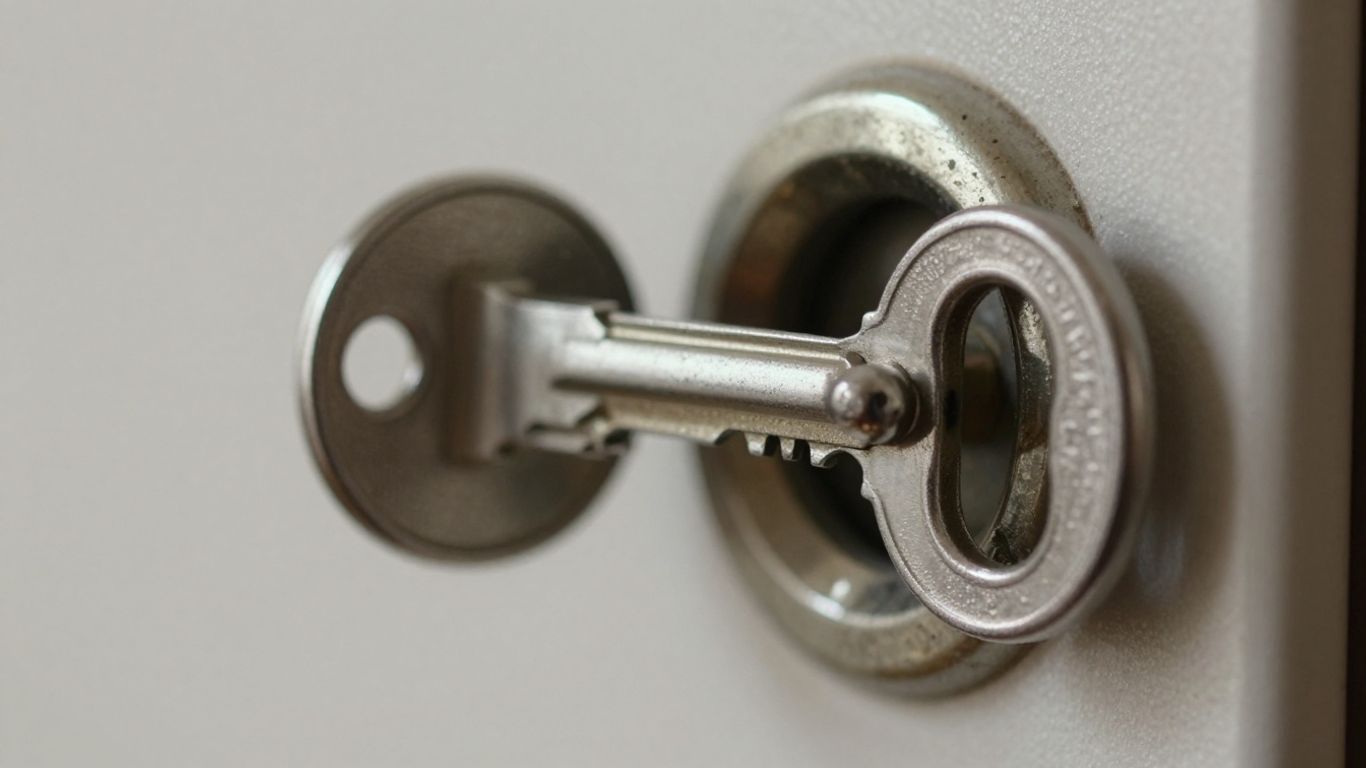
Here are the main things to remember if your key gets stuck in the lock:
Key Takeaways
- First, try to stay calm and don’t force the key too hard. Wiggling it gently is often the best approach.
- Lubricating the lock with graphite or a similar product can help loosen things up.
- If simple methods don’t work, or if the key is broken, it’s time to call a professional locksmith to avoid damaging the lock further.
What To Do When Your Key Is Stuck in the Lock
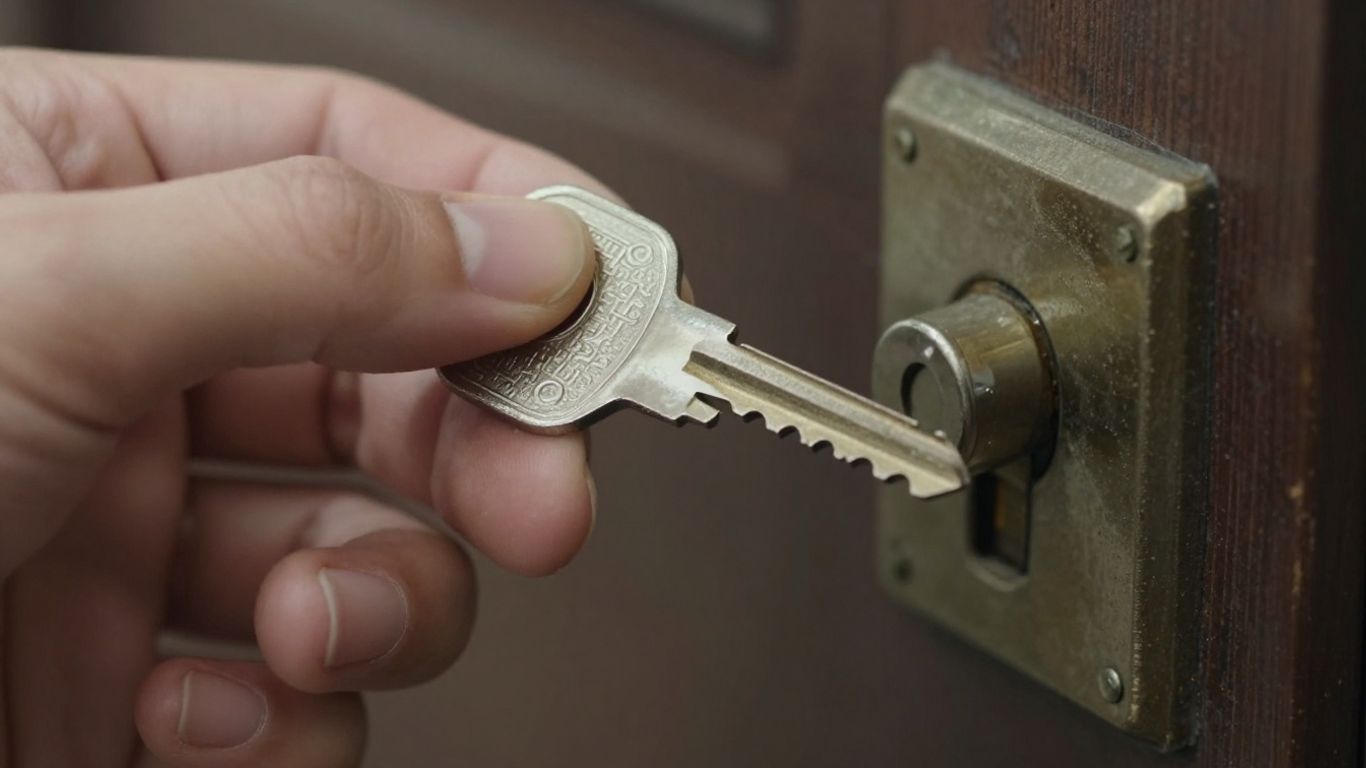
It’s a frustrating moment, isn’t it? You’re trying to get into your house or start your car, and the key just won’t budge. It feels stuck fast. Before you panic or start yanking with all your might, let’s take a breath and look at what you can do. Most of the time, this is a fixable problem without needing to call in the cavalry.
Assess The Situation
First things first, take a good look at the key and the lock. Is the key bent? Is it fully inserted? Sometimes, the simplest explanation is the right one. If the key looks okay, try to gently wiggle it up and down or side to side while applying a little turning pressure. Don’t force it, though. You don’t want to break the key off in the lock, because that makes things a whole lot worse.
- Check for obstructions: Look into the keyhole. Is there any debris, like dirt or a small piece of something, blocking the mechanism?
- Examine the key: Is the key itself damaged? Are the teeth worn down or bent?
- Note the lock’s condition: Does the lock feel stiff or gritty even when you’re not trying to turn the stuck key?
Gentle Extraction Techniques
If a gentle wiggle doesn’t work, it’s time to try a little lubrication. A dry lock can be a sticky lock. You want to use something that will help things move smoothly. Graphite lubricant is your best bet for most locks. Avoid using oil-based products like WD-40, as they can attract dirt and gunk up the mechanism over time, potentially causing bigger problems down the road. You can find graphite lubricant at most hardware stores.
Here’s a step-by-step approach:
- Apply Lubricant: Spray or puff a small amount of graphite lubricant directly into the keyhole. If you don’t have a spray, you can use a powdered graphite lubricant. Make sure to get it into the lock mechanism as much as possible.
- Wait a Moment: Let the lubricant sit for a minute or two to work its way into the tumblers and pins.
- Gentle Wiggling: Try wiggling the key again, gently, while applying slight turning pressure. Try wiggling it up and down, and side to side.
- Jiggle and Turn: Sometimes, a combination of jiggling the key up and down while turning can help dislodge whatever is causing it to stick.
- Tap Lightly: You can try lightly tapping the head of the key with a small hammer or the handle of a screwdriver. This vibration might help loosen things up.
If the key is still stuck after these attempts, it might be time to consider if you need professional help. Trying to force it too much could damage the lock or break the key, leading to a more complicated repair. For situations where the key is broken off or the lock is severely jammed, it’s best to seek out a professional locksmith who has the right tools and experience for broken key extraction.
Remember, patience is key here. Rushing the process or using excessive force is more likely to cause damage than solve the problem. Take your time and be gentle with the lock.
When To Call A Professional Locksmith
Recognizing When DIY Isn’t Enough
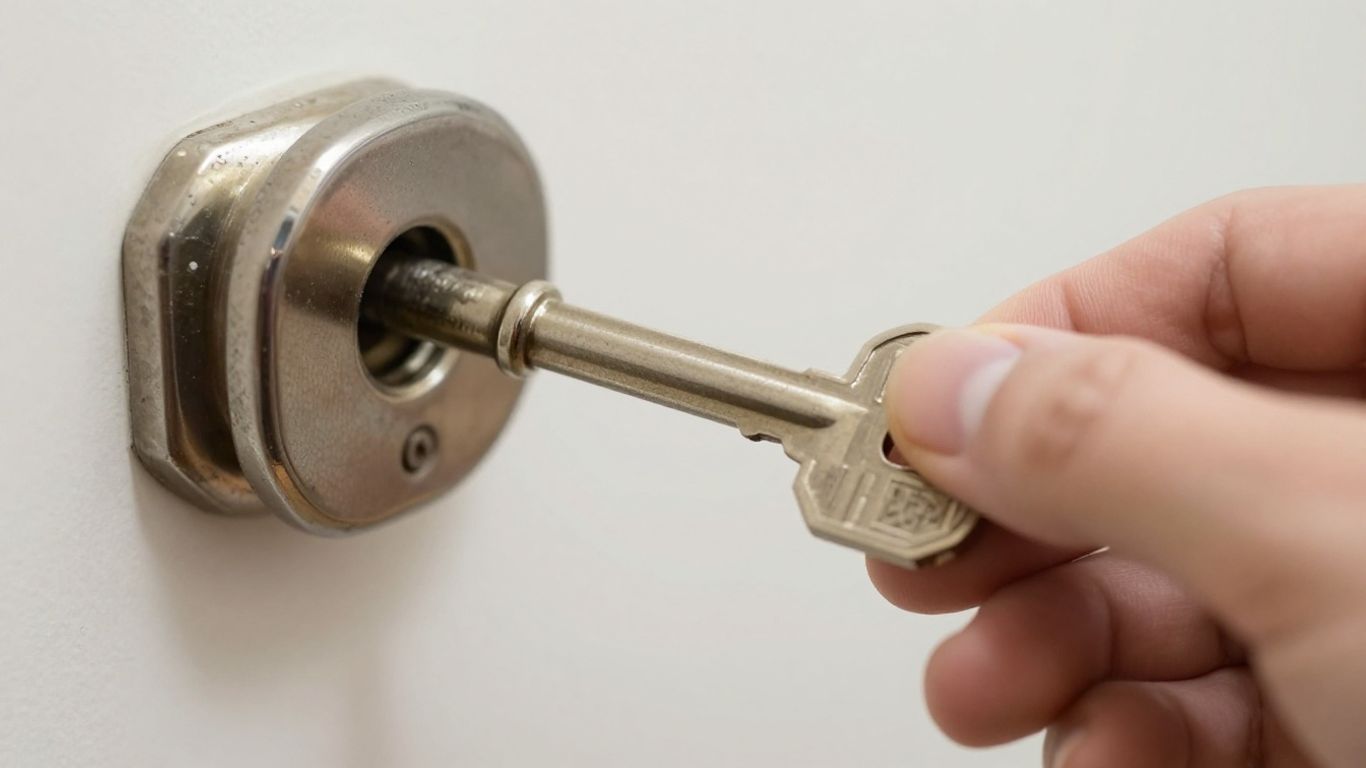
Sometimes, you try to jiggle that stuck key, maybe give it a little twist, and it just won’t budge. You might have already tried a few gentle tugs or even a bit of lubricant. If you’re finding that simple tricks aren’t working, it’s probably time to stop before you make things worse. Pushing too hard or using the wrong tools can actually damage the lock mechanism itself, leading to more expensive repairs down the line. For exterior doors or deadbolts, it’s almost always best to call a professional locksmith. Trying to force it can turn a simple key extraction into a costly replacement job.
Here are a few signs that it’s time to call in the pros:
- The key is broken off deep inside the lock.
- You’ve applied significant force, and the key still won’t turn or move.
- The lock itself feels damaged or jammed, not just the key.
- You’ve tried common remedies like graphite lubricant or a thin pick without success.
Benefits Of Professional Key Extraction
Calling a locksmith for a stuck or broken key isn’t just about getting your door open. These professionals have specialized tools and the know-how to handle the situation without causing further damage. They can often extract the key in minutes, saving you time and stress. Plus, they can usually assess if the lock itself needs any attention or if it was just a fluke.
When you need a locksmith, look for someone who:
- Offers 24/7 emergency services, just in case.
- Has clear, upfront pricing so there are no surprises.
- Is licensed and insured for your protection.
- Has good reviews from other customers in your area.
For example, services like Utah Pro Locksmith are available around the clock and can often provide an estimate before they even arrive, which is super helpful when you’re in a bind.
There are times when dealing with locks is best left to the experts. If you’re locked out of your home or car, or if your locks are broken and won’t budge, it’s definitely time to get some help. Don’t struggle with tricky lock issues; reach out to us on our website for fast and reliable service!
Conclusion
Dealing with a key stuck in a lock can be a real headache, but hopefully, this guide has given you some clear steps to try. Remember, patience and gentle force are usually your best bet. If you try these methods and the key still won’t budge, or if you’re worried about causing more damage, don’t hesitate to call a professional locksmith. They have the right tools and know-how to get the job done without making things worse. It’s always better to be safe and get your lock working again properly.
Frequently Asked Questions
What’s the first thing I should do if my key is stuck?
Take a deep breath! Don’t just yank on the key. Try to gently wiggle it back and forth while pulling slightly. Sometimes, just finding the right angle can free it up. Avoid using too much force, as you could break the key off in the lock, making the problem much worse.
Can I use WD-40 to get a stuck key out?
While WD-40 might seem like a good idea, it’s actually not the best choice for locks. It can attract dust and gunk over time, which can make the lock stickier later on. A graphite lubricant or a lock-specific spray is a much better option. If you don’t have that, a tiny bit of cooking oil might work in a pinch, but be ready to clean it out later.
When should I definitely call a locksmith?
If you’ve tried wiggling and lubricating the lock and the key still won’t turn or come out, it’s probably time to call for help. Also, if the key has snapped off inside the lock, that’s a job for a pro. They have special tools to remove broken key pieces without wrecking your lock. Trying to dig it out yourself could end up costing you more in the long run.