

Key Takeaways
Getting a replacement key can be a stressful experience, but understanding the process and your service options makes it much simpler. With the right preparation and a skilled provider, you can resolve most key issues quickly.
- Identify the specific signs of key failure before troubleshooting.
- Understand the cost and convenience benefits of using independent professional services.
- Learn how transponder and proximity technology impacts replacement procedures.
- Gather essential documentation like your insurance or registration early.
- Recognize when you need urgent ignition repair versus a standard spare.
Understanding when you need an auto locksmith replacement key
Many drivers find themselves scrambling when a car key stops working during their morning routine. Knowing the early warning signs can help you address a potential lockout before it becomes a total breakdown. Relying on an experienced professional like Utah Pro Locksmith often prevents the common frustration of being stuck without access to your transportation.
Signs your key or fob is failing
A dying fob often provides subtle hints before it cuts out completely, such as intermittent button responsiveness or needing to be much closer to the door than usual. If your vehicle dashboard displays a "Key Not Detected" message even while you are sitting in the driver’s seat, the internal signal strength may be degrading. Ignoring these early warning signs or the Nikol Beauty of keeping your key in good repair could leave you stranded in an unexpected location.
Identifying lost or stolen key scenarios
Losing your primary vehicle access point requires immediate action to secure your car against unauthorized entry. If you suspect your keys were stolen rather than simply misplaced, having the security system rekeyed becomes a priority over standard duplication. In these cases, a full system lockout and new key integration ensure that any old fobs no longer signal the car’s immobilizer.
Distinguishing between battery issues and internal hardware damage
Sometimes a simple battery swap is all that is required, but internal hardware failures often mimic dead batteries. If the outer casing shows significant wear, or if the internal circuit board has been exposed to moisture, simple power changes will not restore functionality. You might find that renovlies application services are easier to manage than diagnosing complex, invisible motherboard errors in a modern key fob.
The benefits of choosing a mobile auto locksmith over the dealership
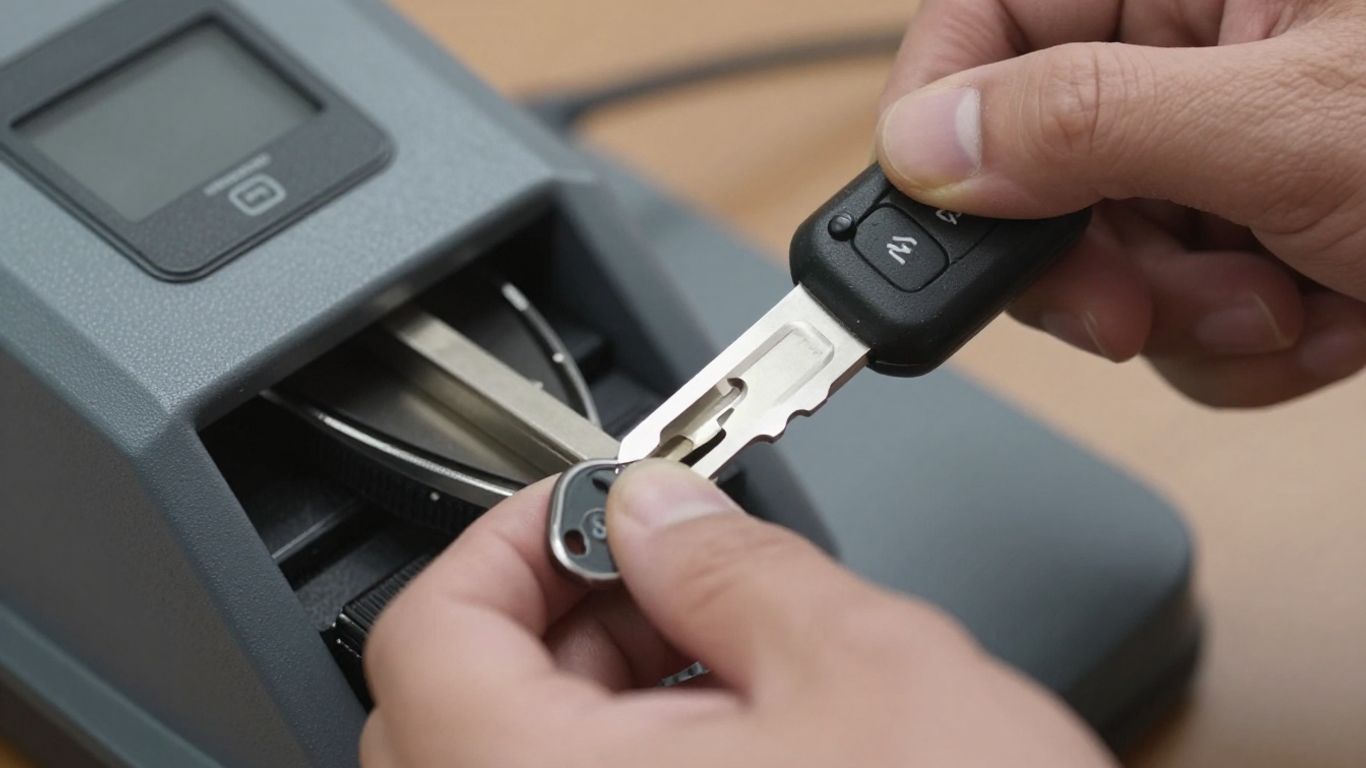
Choosing mobile car key services helps many drivers avoid the long, inflexible wait times associated with service centers. Unlike fixed facilities that require you to arrange towing or drop off your vehicle for hours, mobile units bring the entire workshop directly to your driveway or parking location. By scheduling professional mobile help, you save considerable personal time while benefiting from streamlined equipment specifically designed for rapid, on-the-spot programming.
Reduced wait times and on-site service
Professional mobile fleets eliminate the frustration of administrative delays. You no longer need to navigate appointment portals for Australian homes or wait in long, crowded dealership service lines just to get a spare. Mobile technicians arrive with the tools to work while you finish your daily responsibilities, providing a seamless solution for keys that have vanished.
Cost-effectiveness for modern key technologies
Drivers often experience sticker shock at dealership pricing structures for replacement fobs. Many independent experts like Car Keys Express provide aftermarket options that maintain high performance at a lower fraction of the cost, making them a balanced choice for daily expenses, much like Resapassco travel discounts for business.
Convenience of mobile programming and synchronization
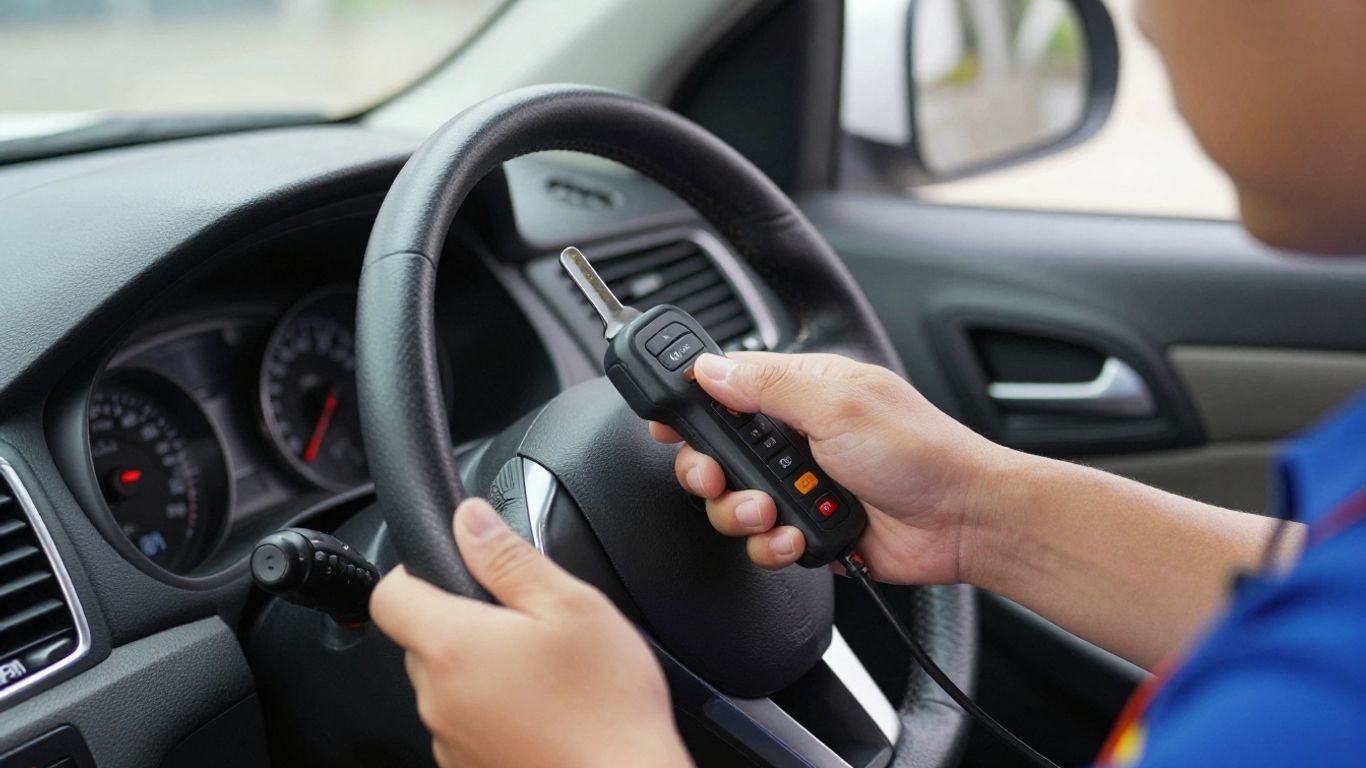
Mobile locksmiths use advanced handheld units to interface directly with your vehicle’s onboard computer diagnostic port. This means they perform the crucial synchronization right there, eliminating the need to haul your car into a shop. Our preferred approach involves these primary steps:
- Confirming vehicle identification via the chassis number
- Cutting a new mechanical blade from high-precision code data
- Programming the internal transponder chip to match the ECU
- Synchronizing all existing and new fobs for seamless entry
The technology behind modern vehicle keys
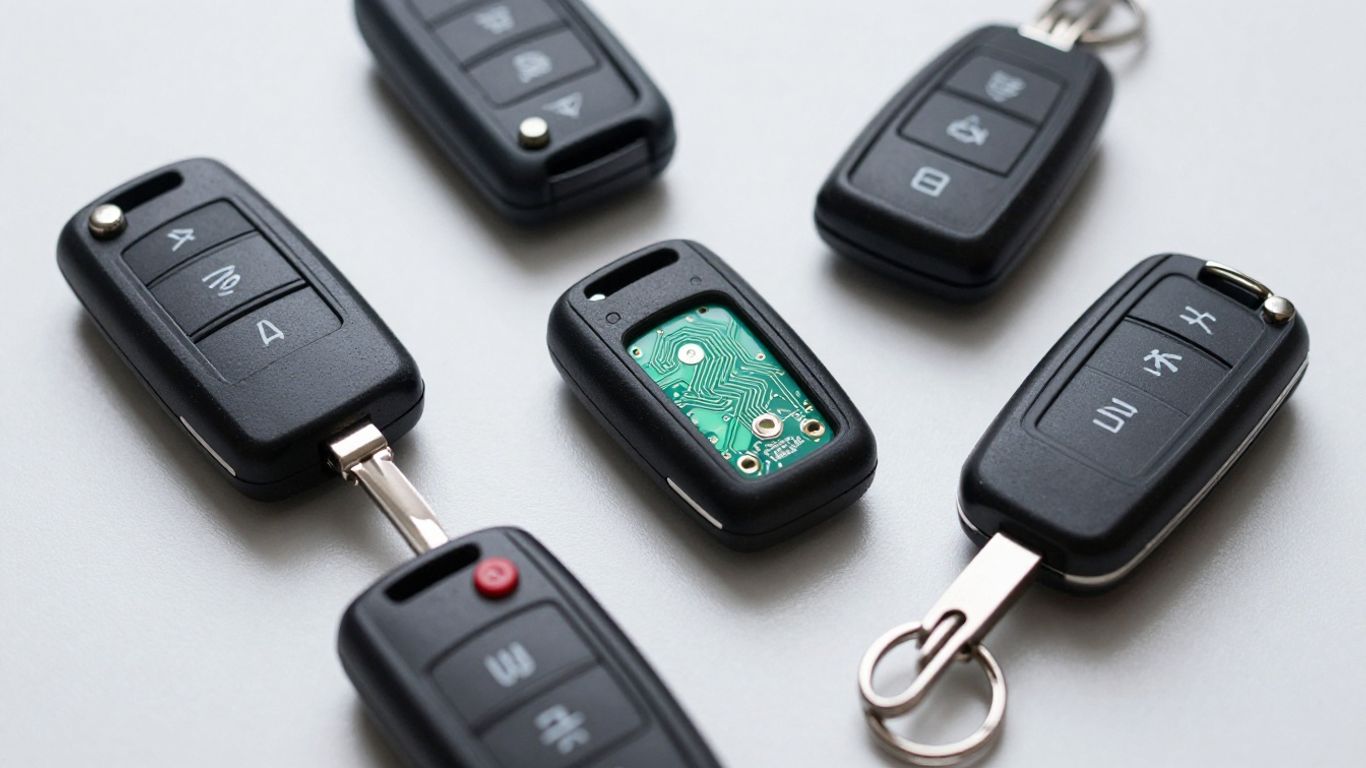
Modern vehicle security has moved far beyond simple metal teeth and tumblers, adopting complex digital encryption to keep your ride safe. Every time you turn an ignition or touch a handle, your vehicle performs a digital "handshake" with a unique code provided by the key. Understanding this interaction explains why standard locksmithing tools are no longer enough for simple replacements.
How transponder chip keys work
A transponder key contains a small, passive radio-frequency chip embedded inside the plastic head. When inserted into the ignition or brought within range, this chip transmits a specific code to the engine control unit to verify identity. If the computer does not receive the expected signal, it disables the fuel pump or ignition circuit to prevent starting the engine.
Understanding proximity and push-to-start fobs
Proximity fobs communicate constantly with the car, allowing for keyless entry and push-button ignition without ever taking the fob out of your pocket. These systems utilize low-frequency antennas located around the interior to triangulate the exact location of the fob, ensuring that the engine only starts if the transmitter is physically located inside the cabin.
The role of your vehicle’s anti-theft immobilizer system
The engine immobilizer acts as the gatekeeper of your vehicle’s electrical system, relying entirely on the security handshake from the fob. Securely managing this system is not just about the plastic case; it involves sophisticated software protocols that authorized technicians must safely negotiate. Much like how firms providing Microsoft 365 support need to secure digital environments, locksmiths must work within your car’s electronic architecture to restore security without compromising system integrity.
Common car key damage and repair solutions
Vehicle keys undergo significant wear over the years, leading to common failure points like broken blades or degraded plastic. Addressing these issues immediately can prevent more expensive damage to your ignition cylinder further down the road. Some common repair scenarios are categorized by the extent of the necessary work in the table below:
| Damage Type | Typical Solution | Urgency Level |
|---|---|---|
| Snapped Blade | Precision Key Cut | High |
| Unresponsive Button | Housing Replacement | Medium |
| Circuit Board Short | Unit Programming | High |
Dealing with broken or snapped key blades
Keys often snap due to internal metal fatigue or attempting to force a sticky ignition barrel. When this happens, a technician can often extract the broken fragment safely from the ignition cylinder using specialized hook tools. The technician then uses the remnants and manufacturer key codes to recreate a new, durable blade that functions perfectly.
Repairing unresponsive buttons and cracked housings
If the buttons feel "mushy" or the fob casing has cracked open, the inner delicate components are vulnerable to dust and environmental moisture. Most shops can transfer the original transponder board into a brand-new, durable shell, restoring that crisp tactile feel without needing an expensive electronic replacement. This ensures your key keeps working reliably for several more years.
When to opt for a full replacement versus hardware repair
Determining whether to repair existing hardware or perform a full replacement comes down to software stability. If the internal motherboard is failing or the remote signal is intermittently dropping, a brand-new programmed fob provides long-term reliability. Investing in a full replacement key often removes the guesswork associated with deteriorating internal electronics, leaving you with a fresh, dependable unit for daily travel.
How the professional replacement process works
The replacement process is a highly regulated undertaking designed to maintain the security of your vehicle. A professional technician verifies all provided credentials before they even begin cutting the metal, ensuring that your vehicle remains protected throughout. Professionals strictly follow established security protocols to prevent against unauthorized access, keeping the process transparent yet safe.
Verifying ownership and security protocols
Before any hardware is touched, the locksmith will request proof of identification and ownership records. This isn’t just a formality; it is a security necessity to ensure your vehicle is being services by a legitimate requestor. They check your government-issued ID against the registration title or official purchase documentation from the dealer.
Precision cutting using professional automotive equipment
Once ownership is confirmed, the technician utilizes a calibrated CNC cutting machine. These machines read the numeric key code associated with your specific car’s locking system, creating a factory-level cut that won’t strain your ignition or door locks. The precision involved ensures that your new key experiences a smooth, effortless rotation from the very first use.
Synchronizing the new key with your vehicle’s computer
After the physical cut is complete, the final step involves the digital handshake via the OBD-II diagnostic plug. This is the moment the key becomes a registered device in your vehicle’s immobilizer database. Without this specific digital entry, the nicely cut key will turn the lock but ultimately prevent the engine from firing correctly.
What to prepare before calling a locksmith
Efficiency begins with organization, and having your vehicle details ready before the technician arrives is the best way to speed up the service. When you provide accurate information, the technician arrives prepared with the correct key blanks and specialized programming tools needed for your specific make and model. Proper preparation also helps them identify if your car has uncommon security features that might require an extra set of hands.
Gathering your VIN and vehicle model details
The Vehicle Identification Number (VIN) is the master key to your car’s identity. You can typically find this 17-character code on the driver’s side dashboard near the windshield or on the vehicle registration card. Providing this number saves valuable time in the field, as it allows the locksmith to cross-reference the exact key-code requirements from the manufacturer’s database.
Locating necessary proof of ownership documentation
For legal and security reasons, service providers are required to keep an audit trail of every key-programming job performed. Keep your registration or insurance documentation in a central, accessible place. In many situations, showing these documents proves you are the authorized person responsible for the vehicle, allowing the technician to proceed with full confidence.
Assessing if your ignition requires secondary maintenance
Occasionally, the issues you think are tied only to a key are actually caused by an aging, sticky ignition cylinder. If you notice the key is difficult to turn even when using a working spare, mention this to the locksmith immediately. They can often service or replace the tumblers during the same visit, preventing you from having to call for a second trip later on.
Conclusion
Replacing your car keys can be efficient and stress-free when you rely on professional mobile locksmiths who understand the technical nature of today’s advanced vehicle security systems. By staying informed about the warning signs of key failure and maintaining essential documentation, you ensure that you are never left in a difficult situation. Remember that getting proactive support from a trusted service provider is the most reliable way to stay on the road in the Salt Lake City area and beyond.
Frequently Asked Questions
Can a locksmith program a key without the original?
Yes, a skilled mobile professional can generate a fully functional key using your car’s VIN and access to the onboard computer diagnostic port.
How long does a typical key replacement visit last?
Most professional service calls for standard key replacement take between 30 to 60 minutes depending on the complexity of your vehicle’s security system.
Will an aftermarket key work as well as the factory original?
High-quality aftermarket fobs and keys are engineered to meet identical technical specifications, ensuring they perform reliably right alongside factory-provided units.
Do I need to have my car towed to the shop?
Mobile locksmiths render that step unnecessary by bringing the workshop tools directly to where your vehicle is currently located.
What happens if I lose my only car key?
Losing your only key simply requires the process of generating a new one from scratch, which professionals do frequently using your VIN and security credentials.
Is it more expensive to call a locksmith than a dealer?
Many mobile services offer more competitive and transparent pricing than dealership centers, especially when accounting for the added cost of professional towing.
Does the new key require specific software authorization?
Every key must be digitally paired with your car’s immobilizer chip through a secure programming tool that authorizes the new fob to start the engine.
Need to schedule an appointment for your car? Schedule Service today to have one of our technicians assist you with fast, on-site key replacement and programming needs.