

Key Takeaways
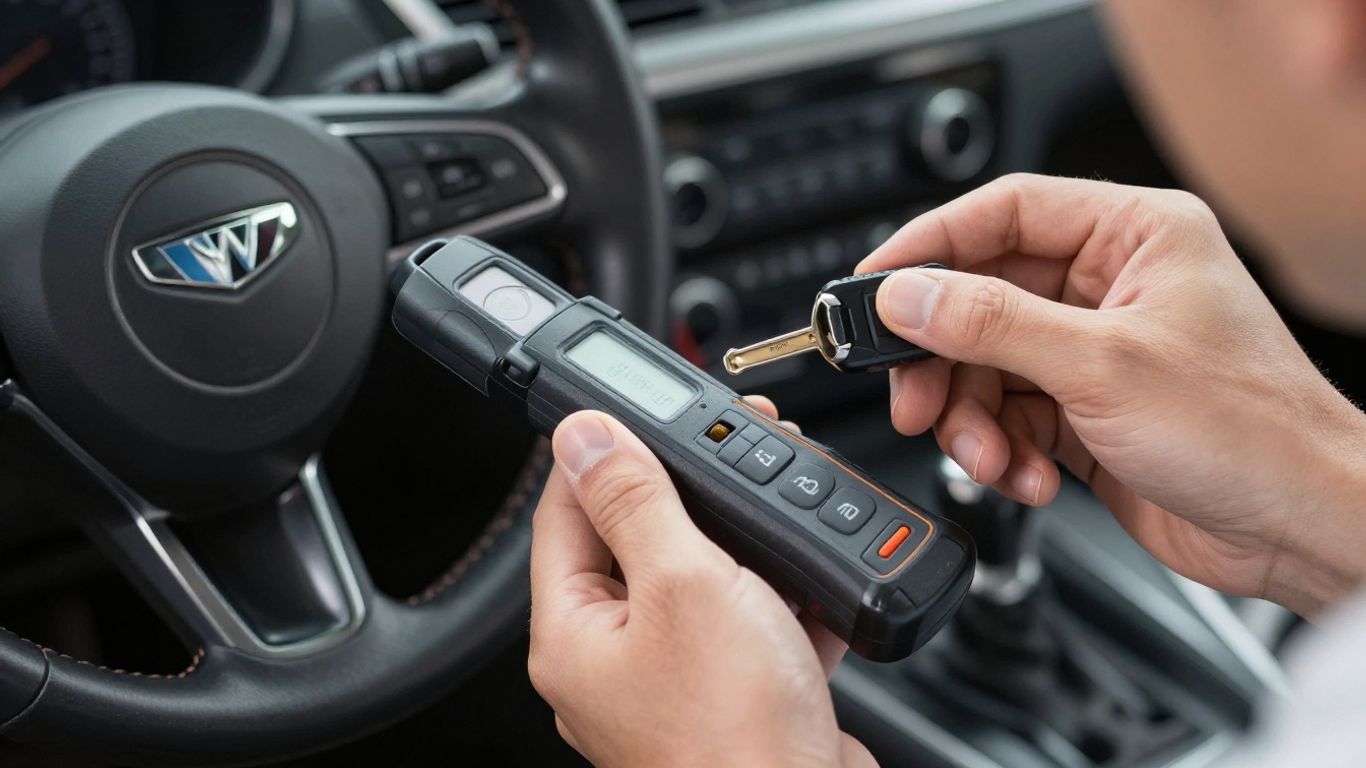
Equipping a professional kit requires a balance of mechanical precision and electronic diagnostic capability to handle modern vehicle security challenges effectively.
- Specialized long-reach tools allow for non-destructive entry into locked vehicles.
- Automated cutting machines ensure key duplicates are manufactured to exact original specifications.
- Advanced diagnostic hardware is essential for programming modern car keys and transponders.
- Proper ignition repair utilizes specialized disassembly equipment to prevent damage to sensitive steering columns.
- Investing in high-quality, professional-grade equipment reduces liability and increases emergency roadside efficiency.
Fundamental tools for automotive lockouts
Professional auto locksmith tools are the cornerstone of any mobile vehicle entry business, enabling technicians to resolve lockouts without damaging the vehicle paint or door frame. Accessing a locked car today requires a delicate touch and a specific set of instruments designed to interact with internal locking mechanisms through minimal gaps. Technicians must understand how to apply tension and manipulate rods while maintaining the structural integrity of the window seals and door trim.
Long reach tools and reach sticks
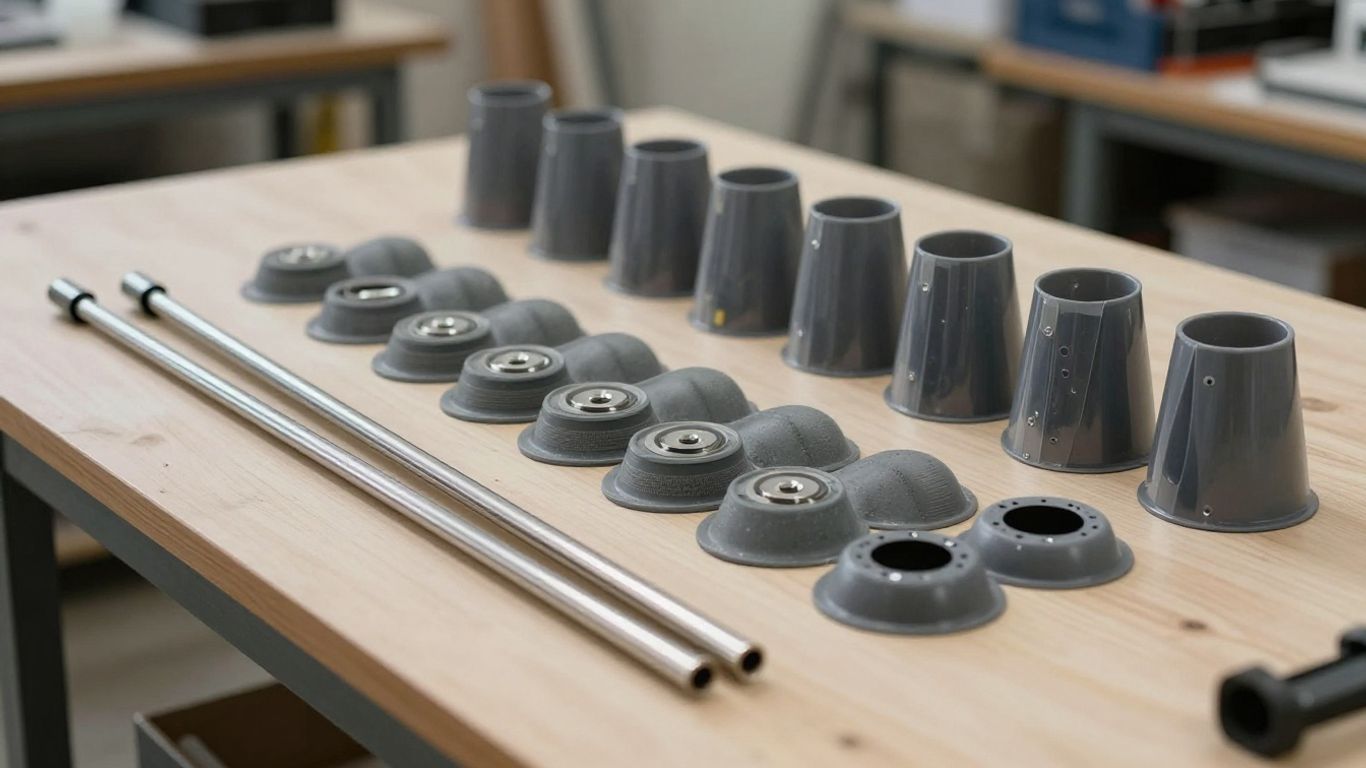
Long reach tools are designed to extend through a small gap between the door and the vehicle frame to hit the unlock switch or pull the interior handle directly. These instruments require careful positioning to avoid triggering side-impact airbags or damaging delicate wiring hidden inside the door panel. Modern versions are often made of durable, non-marring materials like tempered aluminum or reinforced plastic to provide rigidity while remaining gentle on the vehicle’s interior surfaces. For locksmiths at Utah Pro Locksmith, mastering the angle and leverage of these tools is a fundamental skill that comes with extensive experience.
Air wedges and door jamb tools
Air wedges act as the primary interface for creating the necessary space to insert other, more specialized entry instruments. Once inserted, the small rubber or nylon bag is inflated with a hand pump, slowly and evenly spreading the door away from the chassis to create a controlled gap. This safe approach, supported by Access Tools, allows the technician to work through the opening without scratching the metal finish or compromising the weatherstripping seals of the door.
Protective shields and plastic wedges
To prevent any contact between the metal tools and the door’s clear coat or glass, professionals utilize thin plastic shields during the unlocking process. These barriers act as a buffer, ensuring that even if a tool slips during maneuvering, the surface remains pristine. By keeping these specialized items on hand, a technician significantly lowers the risk of cosmetic damage, which is vital when performing car opening services for high-end or older, delicate vehicles.
Importance of non-damaging entry methods
Technicians must always prioritize techniques that respect the manufacturer’s design, treating each lockout as a unique engineering challenge that demands a disciplined approach. When a locksmith tool is used correctly, the entire process takes just minutes and leaves the door or lock entirely untouched. This commitment to non-destructive entry is not just about professionalism; it represents a core service standard that keeps vehicles running safely without the need for exterior hardware replacement or interior trim repairs.
Cutting and programming hardware
Modern automotive security relies heavily on digital authentication, making sophisticated electronic hardware as vital as traditional manual picks. As vehicles have moved away from simple mechanical keys, the equipment needed to sync a new key to the onboard computer or immobilizer system has become a standard inventory item for any mobile automotive locksmith. These machines manage the complex dance between hardware and software, ensuring that the vehicle recognizes authorized keys instantly upon insertion or proximity detection.
Digital key programming devices
Digital programming devices act as a bridge between the new physical key and the vehicle’s Engine Control Unit. These tools must support a vast library of vehicle protocols, allowing the locksmith to initialize new transponder chips or smart fobs on the spot. While some complex tasks once required dealership visits, Utah Pro Locksmith employs high-level diagnostic scanners to handle these secure pairings during mobile visits, which is much like how professionals manage metadata removal for digital privacy, requiring specialized software that understands specific data structures.
Automated key cutting machines
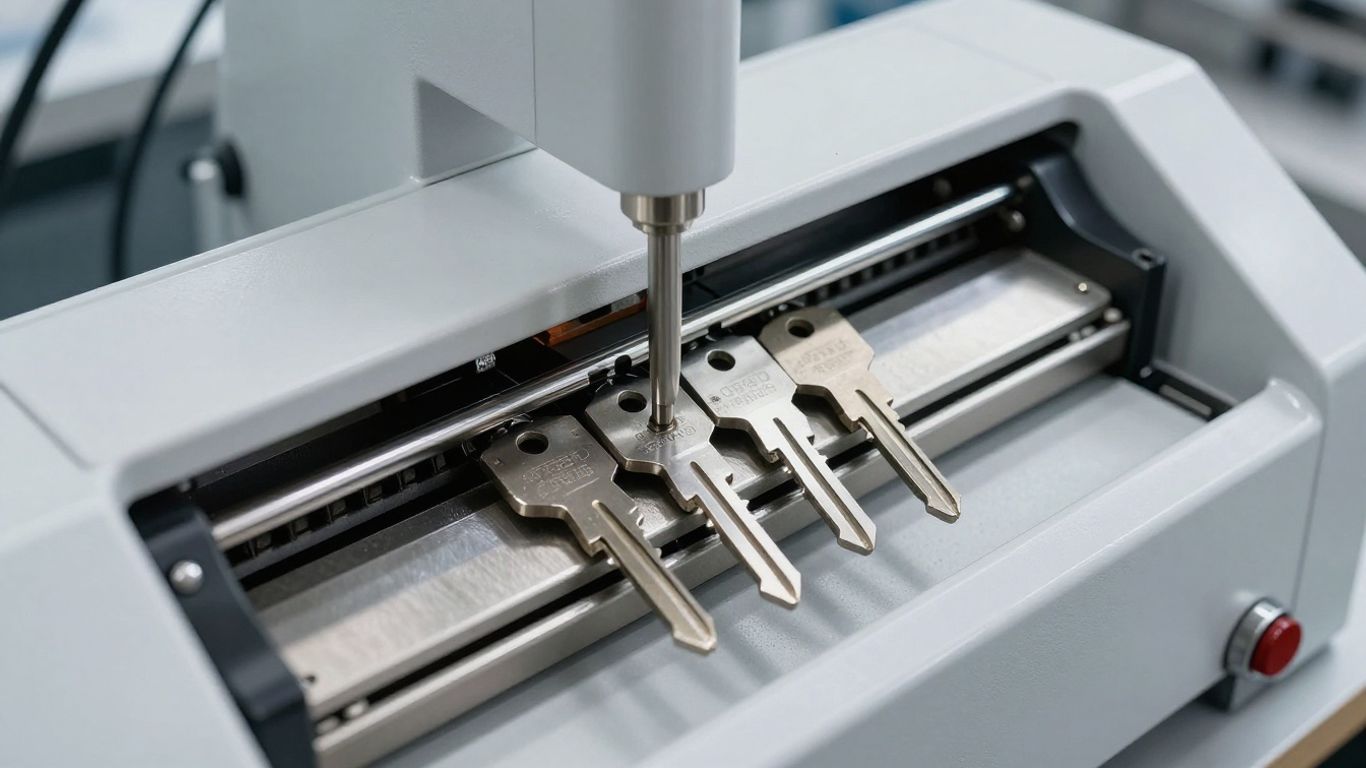
These machines use high-speed bits and optical sensors to map out the original key code and replicate every ridge and groove on a new blank. The table below illustrates the common criteria used when selecting a machine to ensure all automotive locksmith supplies remain compatible with diverse brands.
| Feature | Benefit | Importance |
|---|---|---|
| Optical Scanning | Precise duplication | Critical for high-security keys |
| Database Access | Model compatibility | Essential for broad vehicle usage |
| Portable Frame | Mobile usage | High necessity for road service |
By leveraging these tools, a specialist can cut keys that perform exactly like the factory original, providing a level of accuracy that manual filing simply cannot match.
Transponder chip cloning equipment
Cloning equipment reads the unique code embedded in an existing key’s transponder chip and copies that same signal onto a new replacement fob. This process is frequently the fastest way to get a customer back on the road, as it bypasses the need for vehicle-side programming in many cases. It ensures that the security features are perfectly replicated, preventing immobilizer issues while the vehicle is stationary.
Software updates and vehicle database access
Software updates allow the hardware to recognize newly released vehicle security encryptions that come out with each model year. Staying current with these databases means that a technician is never caught unprepared by a brand-new car security system. Similar to how AI video editors must keep their editing suites updated to streamline complex creative workflows, the modern automotive specialist depends on these database subscriptions to maintain their technical accuracy in the field.
Lock picking and decoding equipment
Manual manipulation of lock cylinders requires both sensitivity and a deep understanding of the internal mechanism design. These tools allow the technician to bypass traditional security without the key, making them indispensable during emergency situations where plumbing maintenance or door access hurdles often require similar patience and clear troubleshooting strategies.
Manual lock picks versus auto decoders
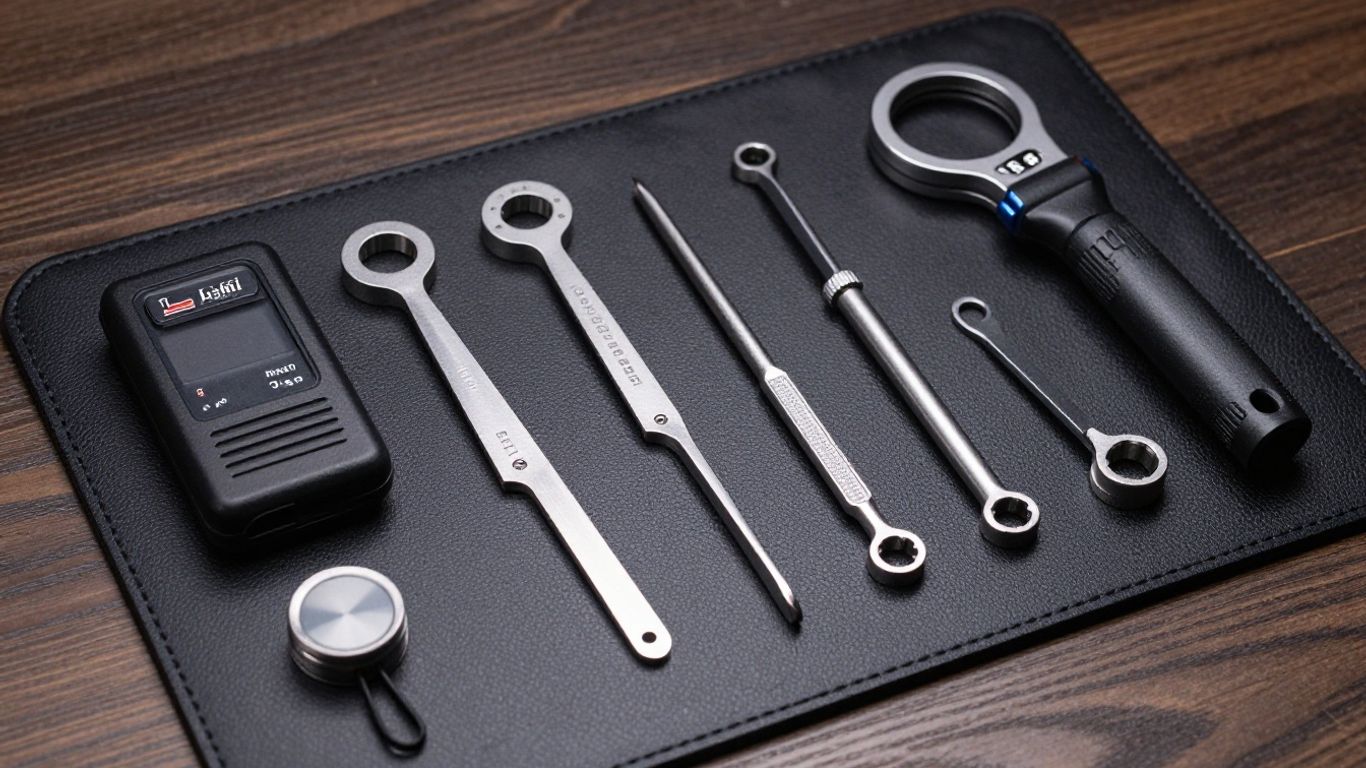
Manual lock picks rely on the technician’s tactile feedback, while auto decoders are engineered to read the depth of each wafer and provide a direct code for cutting a new key. Manual tools require a highly refined touch, whereas modern decoding tools automate the reading process, decreasing the margin for human error during difficult jobs.
Decoding tools for high-security locks
High-security systems often use complex mechanisms like sidebars or disc-detainer locks that cannot be solved with a simple bypass. Dedicated decoders enable a technician to identify the exact depth of every pin or wafer, even when the lock profile is exceptionally dense or unique to a single manufacturer’s design.
Reading wafer depths for precision cutting
By accurately measuring how deep each wafer sits within the cylinder, a locksmith can determine the specific bitting sequence for a new key. Precision at this stage is the difference between a flawless ignition turn and a key that hangs or binds upon entry. Maintaining this mechanical data is the backbone of efficient, reliable duplication.
Specialized tools for different lock manufacturers
Different automotive brands often use specific keyhole shapes that require proprietary picks. Using the wrong tool can damage the sensitive pins inside, which is why a well-stocked kit includes a variety of specialized devices that match the unique engineering specifications of each vehicle manufacturer.
Ignition repair and replacement kits
Ignoring a failing ignition system can lead to total vehicle immobilization, necessitating a quick field intervention. The following components are critical for addressing these common failure points:
- Specialized tension wrenches for internal cylinder release.
- Steering column pin removal punches for clean extraction.
- Digital diagnostic scanners to clear old trouble codes.
- Lubrication agents safe for electronic ignition components.
By having these items readily available, an automotive locksmith can perform on-site repairs on steering columns that would otherwise require the vehicle to be towed to a dealership for service.
Ignition cylinder removal tools
Extracting a broken cylinder demands specific force and specialized adapters. These tools are designed to grip the housing without damaging the surrounding dash or column assembly, which is essential for ensuring that the replacement part fits perfectly back into the vehicle’s chassis.
Steering column disassembly equipment
Disassembling a column involves removing panels and electrical harnesses safely. These tools provide the leverage needed to access internal ignition chambers, and as Google Ads experts know in the digital realm, precision in setup yields better outcomes for any project you undertake.
Replacement parts and diagnostic scanners
Diagnostic scanners are vital for verifying that the new cylinder communicates with the vehicle immobilizer immediately after installation. When a technician links the physical repair to the digital system code, the vehicle can start without lingering errors that might trigger security light alerts on the dashboard.
Proper handling of sensitive ignition components
Ignitions are packed with electronics and spring-loaded parts that are easily damaged during a rough fix. A professional approaches these components with a focus on cleaning, testing, and verifying that every contact point is clear and functional before finalizing the repair.
Why professional-grade tools matter
Precision and vehicle damage prevention
Professional gear is engineered to handle the specific tolerances of modern locks, which prevents the accidental stress that occurs when using inferior or make-shift instruments on delicate metal parts.
Compatibility with modern immobilizer technology
Modern cars require tools that can handshake with complex encryption protocols. Professional hardware is validated to work across global platforms, ensuring that the immobilizer will accept any programmed key without forcing a total system lockout.
Insurance requirements and liability reduction
Using industry-recognized tools helps ensure the work meets insurance standards for safe property management. This minimizes the chance of property claims, as everything is done using equipment intended for specific repair tasks.
Increasing efficiency in emergency roadside situations
Time is critical during a lockout, and professional-grade tools are designed for speed. By reducing the complexity of each task, these tools allow a technician to complete a job faster than an amateur could dream, proving the value of investing in high-quality hardware.
Conclusion
Mastering the array of tools available for vehicle security is essential for any professional provider, as these instruments allow for rapid entry, precise key cutting, and successful ignition repairs. By standardizing high-quality, professional-grade equipment, technicians can ensure that every interaction with a vehicle is performed safely, reliably, and with the level of accuracy that modern security systems demand from the industry.
Frequently Asked Questions
Can any locksmith open any car?
Professional locksmiths have specialized equipment to handle most makes and models, but some high-security vehicles with encrypted proprietary systems might require specific dealer-level access or advanced specialized tools that not every generalist carries.
What should you do if your key breaks off in the ignition?
If a key breaks in the ignition, avoid trying to push it further in or using household items like superglue. A professional uses a specialized extractor tool to safely remove the fragment without damaging the internal wafers of the cylinder.
Is it safe to use a slim jim on modern vehicles?
Modern vehicles contain complex wiring, side-impact airbags, and delicate electronic systems inside the door panels that can be easily compromised by old-style tools. Always rely on modern, manufacturer-approved entry tools designed to avoid contact with internal mechanisms.
Do I need to go to the dealership for a new fob?
In many cases, mobile locksmiths have the technology to program aftermarket or OEM fobs onsite, providing the same functionality as the dealer but often with faster arrival times and more competitive pricing for local customers.
How long does it usually take to program a car key?
Programming duration depends on the vehicle’s specific immobilizer system, but most routine key procedures can be completed in under an hour by a skilled technician using the correct diagnostic hardware and software.
What causes an ignition to stop turning?
Common causes include worn-out keys with flattened edges, debris building up inside the lock cylinder, or a misaligned steering wheel column that puts tension on the ignition pin, preventing the key from rotating smoothly.
Are mobile locksmith services available 24/7?
Many professional mobile locksmith companies offer round-the-clock emergency assistance to handle lockouts and key losses, providing quick response and on-site repair capabilities for residents and businesses regardless of the hour.