

Ever found yourself on the wrong side of a locked door? It happens to the best of us. Maybe you misplaced your keys, or a lock just decided to give up. This article is about understanding how locks work and what to do when you need to get past one, whether it’s a simple home lock or something more complex. We’ll cover the basics of lock mechanisms and touch on common ways people might try to bypass them. It’s not about encouraging any illegal activity, but more about knowing your options when you’re in a bind. Sometimes, the best solution isn’t trying to force it, but knowing when to call in the pros.
Key Takeaways
- Locks have internal parts, like tumblers, that need to be aligned correctly by a key to open. Different types of locks have different designs and vulnerabilities.
- Methods for bypassing locks range from using tools to pick the internal mechanisms to applying force, like drilling or prying. These methods can damage the lock.
- For most situations, especially if you need the lock to work afterward or if you’re locked out of your car or home, calling a professional locksmith is the safest and most effective solution. They have the right tools and knowledge to open locks without causing unnecessary damage and can also help with repairs or replacements.
Understanding Lock Mechanisms
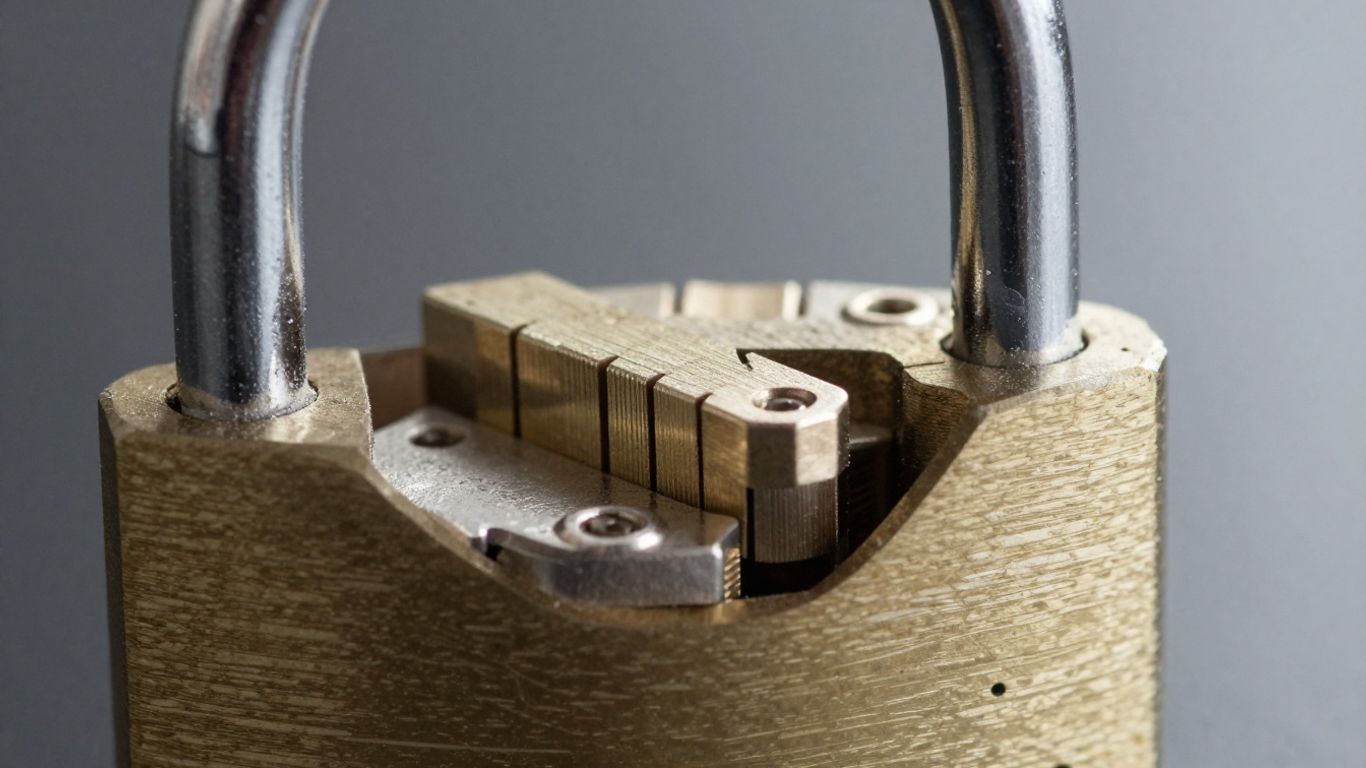
Before you can even think about picking or forcing a lock, it’s super important to get a handle on how they actually work. It’s not all that complicated once you break it down. Most common locks, like the ones on your front door or your car, rely on a series of pins or tumblers that need to be in just the right position for the lock to open.
Common Lock Types and How They Work
There are a bunch of different lock designs out there, but a lot of them share similar principles. The most common type you’ll run into is the pin tumbler lock. Think of it like a tiny puzzle inside your lock cylinder. When you put the wrong key in, or no key at all, the pins are all jumbled up, blocking the cylinder from turning. The key has a specific cut pattern, and when you insert the correct key, those cuts lift each pin to a precise height, aligning them perfectly at what’s called the "shear line." Once all the pins are lined up at this shear line, the cylinder is free to rotate, and voilà, the lock opens.
Other types include:
- Wafer tumbler locks: These are often found in cabinets, desks, and older car doors. Instead of pins, they use flat wafers that need to be lifted to the shear line.
- Disc detainer locks: These use rotating discs instead of pins. The key has notches that align the discs to allow the cylinder to turn.
- Lever tumbler locks: Common in older doors and padlocks, these use a set of levers that must be lifted to specific heights by the key to allow the bolt to move.
Identifying Vulnerabilities in Lock Designs
Every lock has its weak spots, and knowing them is half the battle. For pin tumbler locks, the main vulnerability is the shear line itself. If you can manipulate the pins to that exact spot, even without the key, you can bypass the lock. This is what lock picking is all about.
Here’s a quick rundown of common vulnerabilities:
- Pin Alignment: As mentioned, getting the pins to the shear line is the goal. Tools can be used to "set" each pin individually or all at once.
- Tolerances: Cheaper locks often have looser manufacturing tolerances. This means the pins might not need to be exactly at the shear line, making them easier to pick.
- Materials: The metal used for the lock body and cylinder can be a weak point. Some materials are more susceptible to drilling or prying than others.
- Keyway Shape: The shape of the opening where you insert the key (the keyway) can sometimes allow for easier insertion of lock picking tools or even other objects.
Understanding these basic mechanisms and their potential weak points is the first step. It’s like knowing the basic rules of a game before you try to bend them. Without this knowledge, any attempt to bypass a lock is just guesswork. For instance, a lock that relies solely on simple pin tumblers might be vulnerable to "raking" techniques, where a pick is quickly slid in and out to jiggle the pins into place. More complex locks, however, might require more precise "single pin picking."
Knowing the type of lock you’re dealing with helps determine the best approach. For example, if you’re facing a standard pin tumbler lock, the strategy will be different than for a more specialized type. It’s all about understanding the internal workings and where they can be tricked or overcome.
Methods for Breaking a Lock
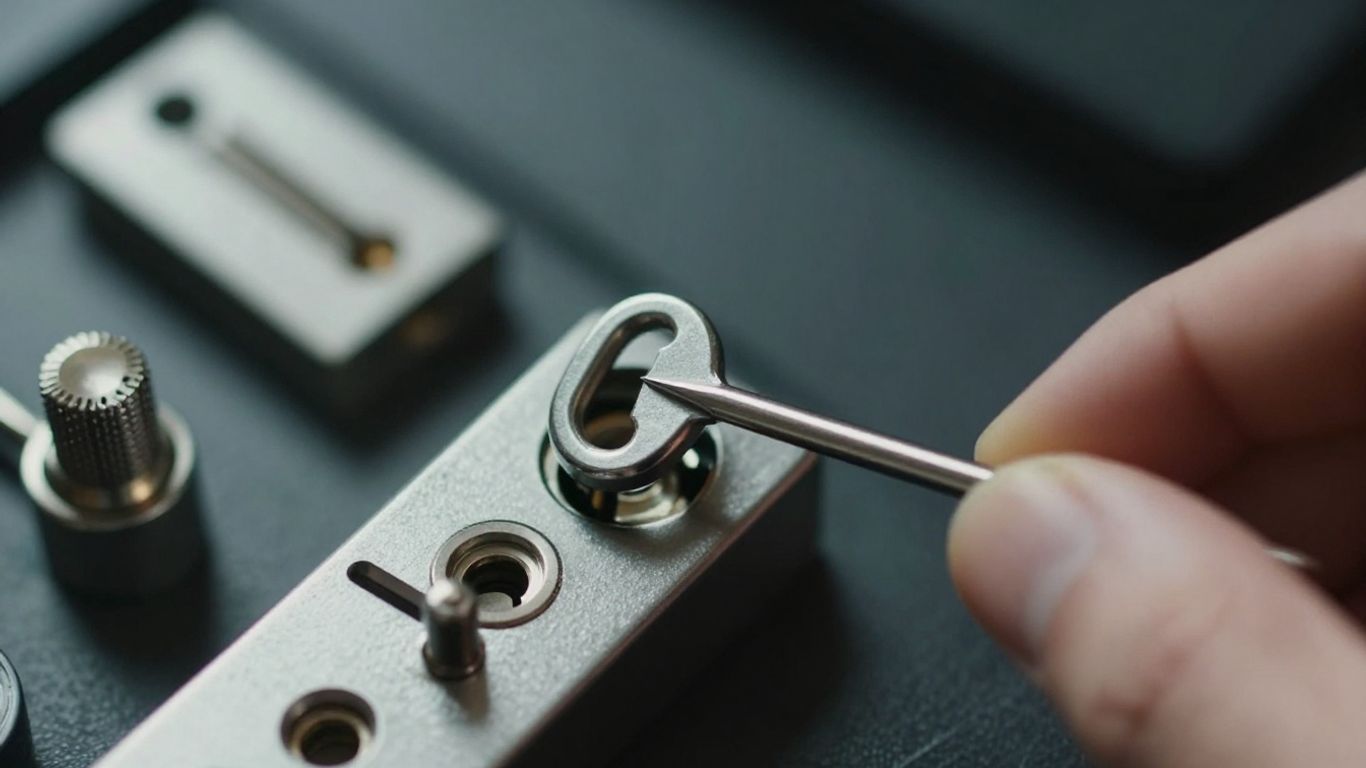
Sometimes, you just need to get past a lock, and you don’t have the key. It happens. Whether it’s a lost key, a jammed lock, or just a situation where you need access, there are a few ways to go about it. It’s important to remember that attempting to bypass a lock you don’t own or have permission to access can have serious legal consequences. This section is for informational purposes only, for situations where you have a legitimate need to bypass a lock you own or are responsible for.
Bypassing Tumblers with Picks
This is the classic lock-picking method you see in movies, and it’s surprisingly effective on many common pin tumbler locks. The basic idea is to mimic the action of a key.
Here’s a simplified look at how it works:
- Tension Wrench: You’ll need a tension wrench, which is inserted into the bottom of the keyway. This applies a slight rotational force to the lock cylinder, just like turning a key would.
- Pick Tool: A pick tool, often a hook or rake shape, is then inserted into the top of the keyway. Its job is to manipulate the pins inside the lock.
- Setting the Pins: As you apply light tension with the wrench, you use the pick to lift each pin set (key pin and driver pin) until the driver pin is just above the shear line. When the tension wrench is applied correctly, the driver pin will be held in place by the cylinder’s rotation.
- Turning the Cylinder: Once all the pin sets are ‘set’ at the shear line, the cylinder should turn, and the lock will open.
It takes practice and a delicate touch. You’re not forcing anything; you’re feeling for the subtle clicks as each pin sets. For a more detailed explanation of the technique, you can look into how to pick a pin tumbler lock here.
Applying Force: Drilling and Prying Techniques
When picking isn’t an option or isn’t working, sometimes brute force is the only way. This usually involves tools that can damage the lock or the door.
- Drilling: This method targets the shear line of the lock cylinder. By drilling through the cylinder at the correct spot, you can destroy the pins, allowing the cylinder to turn. This is a destructive method and will require lock replacement afterward.
- Prying: For certain types of locks, especially those with weaker housings or if the door frame is compromised, a pry bar might be used. This involves forcing the lock mechanism apart or prying the door open. This is highly destructive and will almost certainly damage the door and frame.
These methods are generally considered last resorts. They are noisy, messy, and will leave you with a damaged lock that needs replacing. If you’re in a situation where you’re locked out and need immediate access without causing damage, calling a professional locksmith is often the best course of action. Services like Utah Pro Locksmith can handle emergency lockouts quickly and efficiently.
When considering forceful entry methods, it’s crucial to weigh the potential damage against the need for access. These techniques are not subtle and will likely render the lock unusable, requiring replacement. Always consider less destructive options first, or seek professional help to avoid unnecessary damage to your property.
When to Call a Professional
Look, sometimes you’ve tried everything, and that lock just isn’t budging. Or maybe you’re in a real bind, like being locked out of your car in the middle of the night. That’s when it’s time to stop messing around and call in the pros. Trying to force a lock when you’re not sure what you’re doing can often make things worse, leading to more expensive repairs down the line. It’s better to get help from someone who knows their stuff.
Emergency Lockout Services
Getting locked out is never fun. Whether it’s your home, car, or even your business, a lockout situation needs a quick fix. Professional locksmiths are equipped to handle these emergencies, often with a fast response time. They can usually get you back inside without damaging your door or the lock itself. This is especially true for car lockouts, where specialized tools are needed to avoid scratching paint or damaging internal mechanisms. Many services offer 24/7 availability, which is a lifesaver when you’re stuck late at night or on a weekend. You can find emergency lock services that specialize in these urgent situations.
Professional Lock Repair and Replacement
Beyond just lockouts, there are times when a lock is simply broken or compromised. This could happen after a break-in, or maybe a lock has just worn out over time. Trying to repair a damaged lock yourself can be tricky, and if it’s not done right, it might not provide adequate security. Professionals can assess the damage, recommend the best course of action, and perform repairs or replacements efficiently. They can also rekey locks if you’ve lost your keys or want to ensure old keys no longer work, which is a smart move for new homeowners or after a security concern. For instance, if your key snaps off in the lock, a locksmith can extract it cleanly and often repair the lock or make a new key on the spot. They can also handle more complex issues like installing new hardware or upgrading to higher security locks.
Here’s a quick look at common professional services:
- Broken Key Extraction: Safely removing a snapped key from a lock.
- Lock Repair: Fixing damaged or malfunctioning locks.
- Rekeying: Changing the lock’s internal mechanism so old keys don’t work.
- New Lock Installation: Installing new locks on doors or windows.
- High-Security Upgrades: Installing more robust lock systems.
When you’re in a bind, remember that a qualified locksmith has the tools and knowledge to solve your problem efficiently and without causing further damage. It’s often the most cost-effective solution in the long run, especially for urgent issues.
Choosing the right professional is key. Look for licensed and insured technicians who offer upfront pricing and have good reviews. Many reputable services provide estimates before they arrive, so you know what to expect.
Some lock problems are tricky and best left to the experts. If you’re dealing with a jammed deadbolt, a broken key, or need to upgrade your home security, it’s smart to get professional help. Don’t risk making things worse! Visit our website to learn more about our services and how we can help you.
So, What’s the Takeaway?
Alright, so we’ve gone over some of the ways locks can be opened. It’s pretty interesting stuff, honestly. But here’s the thing: while knowing how things work is cool, messing with locks you don’t own or have permission for is a big no-no. If you’re ever in a bind, like locked out of your own place or car, don’t try to force it. Seriously, you could end up making things worse and costing yourself more in the long run. It’s way better to call in a pro. People like Utah Pro Locksmith are there for those exact situations. They’ve got the right tools and know-how to get you back in without causing damage. So, remember, knowledge is one thing, but responsible action is another. Stick to calling the experts when you need help with your locks.
Frequently Asked Questions
What are the main parts of a lock?
Most locks have small pins inside that need to line up just right. When you put the correct key in, it pushes these pins to the perfect height, allowing the lock to turn and open. Different types of locks have different ways of arranging these pins, but the basic idea is the same.
Is it ever okay to try and break into a locked door?
While this guide talks about how locks work, it’s important to know that breaking into a locked door without permission is illegal and can cause damage. If you’re locked out of your own home or car, it’s usually best and safest to call a professional locksmith. They have the right tools and skills to get you in without causing harm.
How can I make sure I hire a good locksmith?
A good locksmith should be licensed and insured, meaning they have the proper training and are covered if something goes wrong. They should also be clear about their prices before they start working and offer a fair estimate. Look for locksmiths who have good reviews and are transparent about their services and experience.