

Key Takeaways
Duplicating a key effectively requires understanding your lock mechanism and selecting the right professional for the job. These five points summarize the key considerations:
- Identify whether your key type requires simple mechanical cutting or advanced transponder programming.
- Retail kiosks and hardware stores work for basic house keys, but modern vehicles need specialized mobile locksmiths.
- Professional mobile services offer higher accuracy, better diagnostic tools, and greater convenience at your location.
- Avoid trying to copy severely worn keys, as this creates unreliable duplicates that may struggle in your locks.
- Always request clear, transparent pricing before service to avoid unexpected costs for complex or after-hours work.
Understanding your key type
Standard house keys versus high-security keys
Distinguishing between common and protected keyways represents your first step toward a successful duplicate. Standard residential keys use common, non-proprietary blanks that any hardware store can scan and cut in a few moments. Conversely, high-security systems often employ restricted keyways that are physically engineered to resist picking and unauthorized duplication. Attempting to force a duplicate on these systems frequently fails because the blank itself cannot be found in open, civilian channels.
Identifying automotive transponder and smart keys
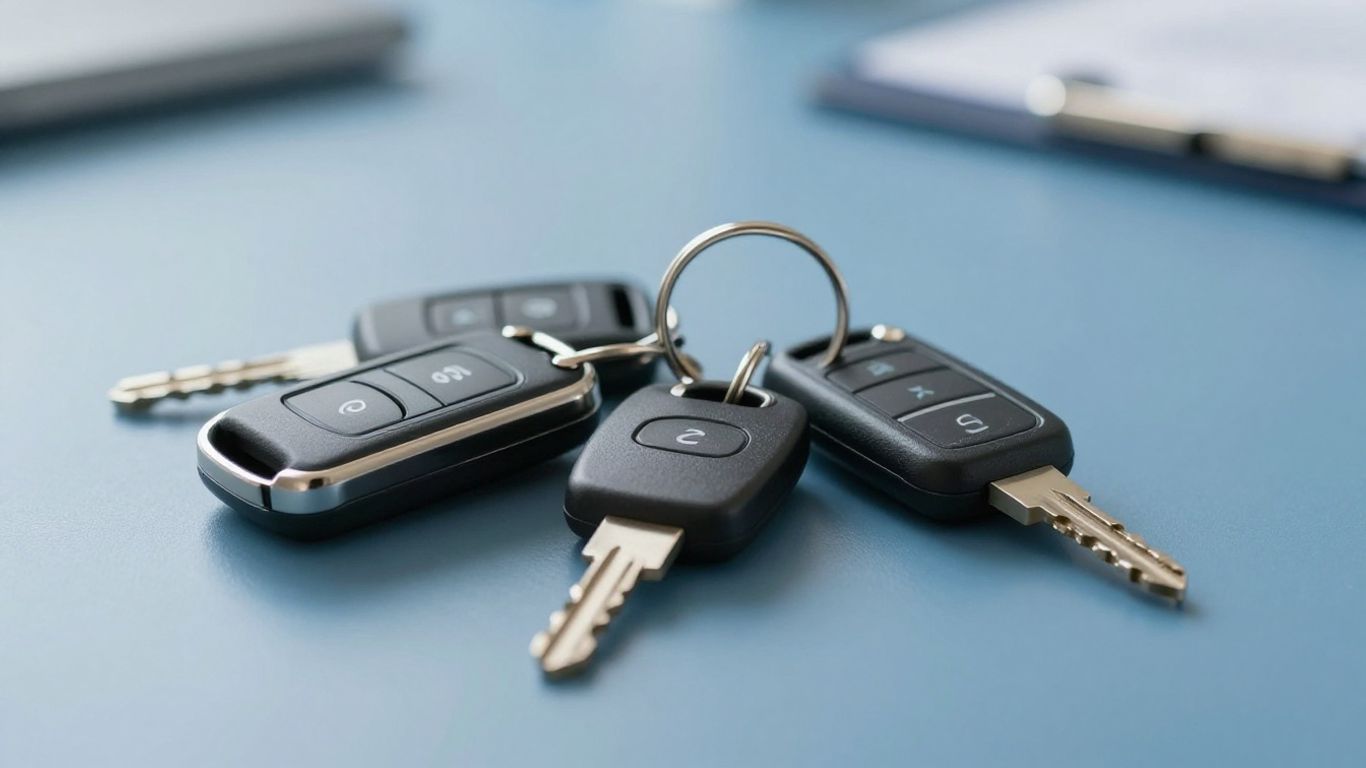
Modern vehicle keys are rarely just metal objects; they are complex electronic devices that communicate with your engine control unit. If you see a plastic head on your key, there is likely a transponder chip housed inside that must be synchronized with your car’s immobilizer. Failing to properly pair these chips means the ignition will turn, but the car will refuse to start.
Why specialized equipment is required for modern electronic keys
Advanced electronic keys cannot simply be traced on a mechanical machine because the hardware needs digital handshake protocols. Creating a working copy requires advanced diagnostic tools to interface directly with your car’s security architecture. This programming phase ensures your vehicle accepts the new remote’s identity as a trusted part of its operational system.
Assessing whether you have an original key or an existing copy
If you are currently carrying a copy of a copy, you might be amplifying microscopic errors in the original cuts. Every time a key is duplicated, the machine’s tracing process naturally introduces a margin of discrepancy that gets passed down the line. If possible, always present a factory-cut original key to your technician—this provides the cleanest template for achieving a perfect functional match.
Comparing key duplication service options
Retail store kiosks for basic key cutting
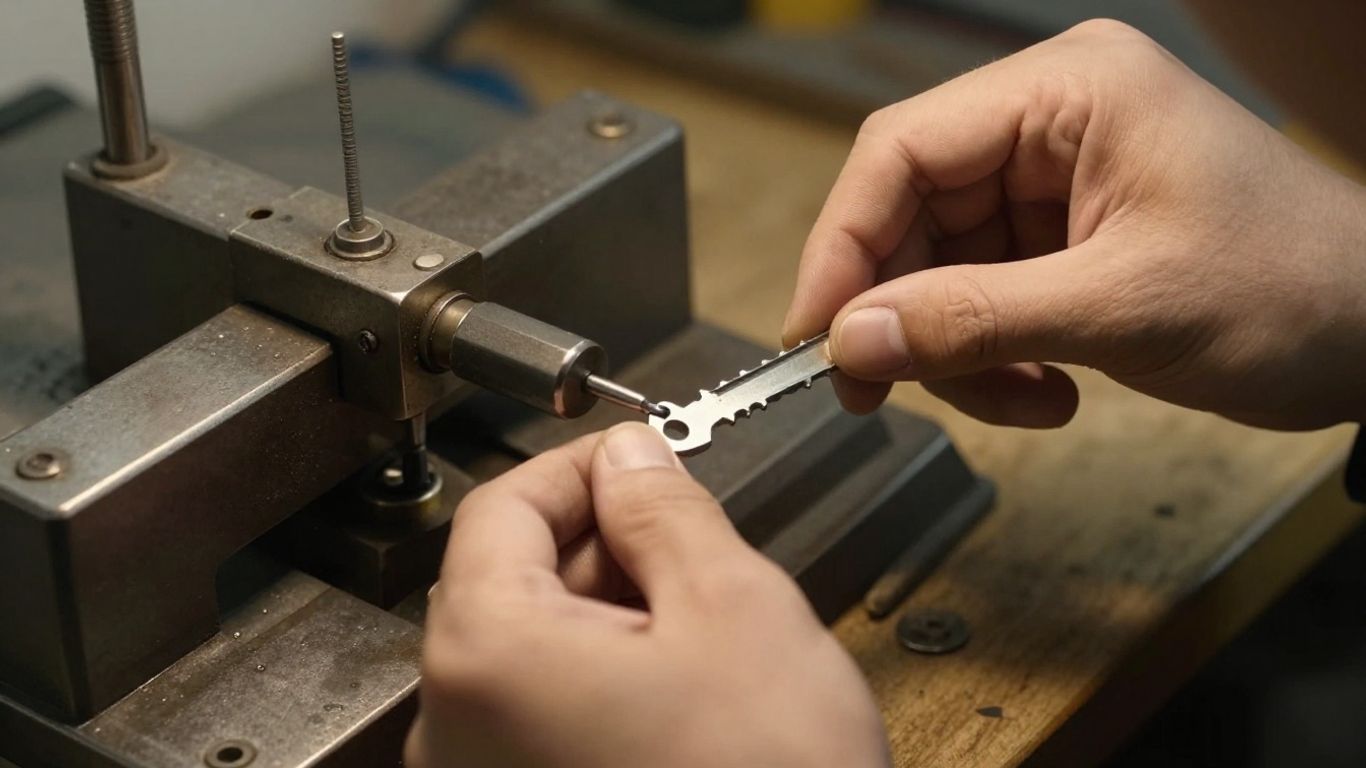
Automated kiosks are convenient for simple errands, offering a quick way to handle basic house keys when you are near a shopping center. These systems rely on visual scanning software to identify your key pattern without needing manual intervention. While fine for a straightforward door key, these machines are generally not equipped to manage transponder chips or the specific programming requirements of high-end door hardware.
Hardware stores for traditional door and padlock keys
Local hardware stores rely on skilled staff to operate traditional hand-cranked or automated duplicating machines. This involves manual calibration against a template, making it easier to ensure the depth and alignment of each cut remain accurate. You can usually find a wide variety of blanks here, including those meant for custom padlocks or older entry knobs.
Local mobile locksmiths for vehicle-specific programming
For complex security needs, a dedicated service is often the most reliable route. You might search for a locksmith in Salt Lake City to find experts who understand the nuances of various ignition systems. These specialists carry mobile programming rigs that allow them to sync keys to your car while you wait, eliminating the need to visit a dealership.
Dealership service departments for luxury and high-security vehicles
Dealerships maintain access to restricted hardware and proprietary codes that independent parties might not have. They offer a secure environment, though this convenience often comes at a higher price point and involves a longer waiting period. For high-end luxury vehicles, using authorized dealership tools guarantees the programming aligns perfectly with the manufacturer’s security standards.
The benefits of using a professional mobile locksmith
Convenience of on-site service at your home or office
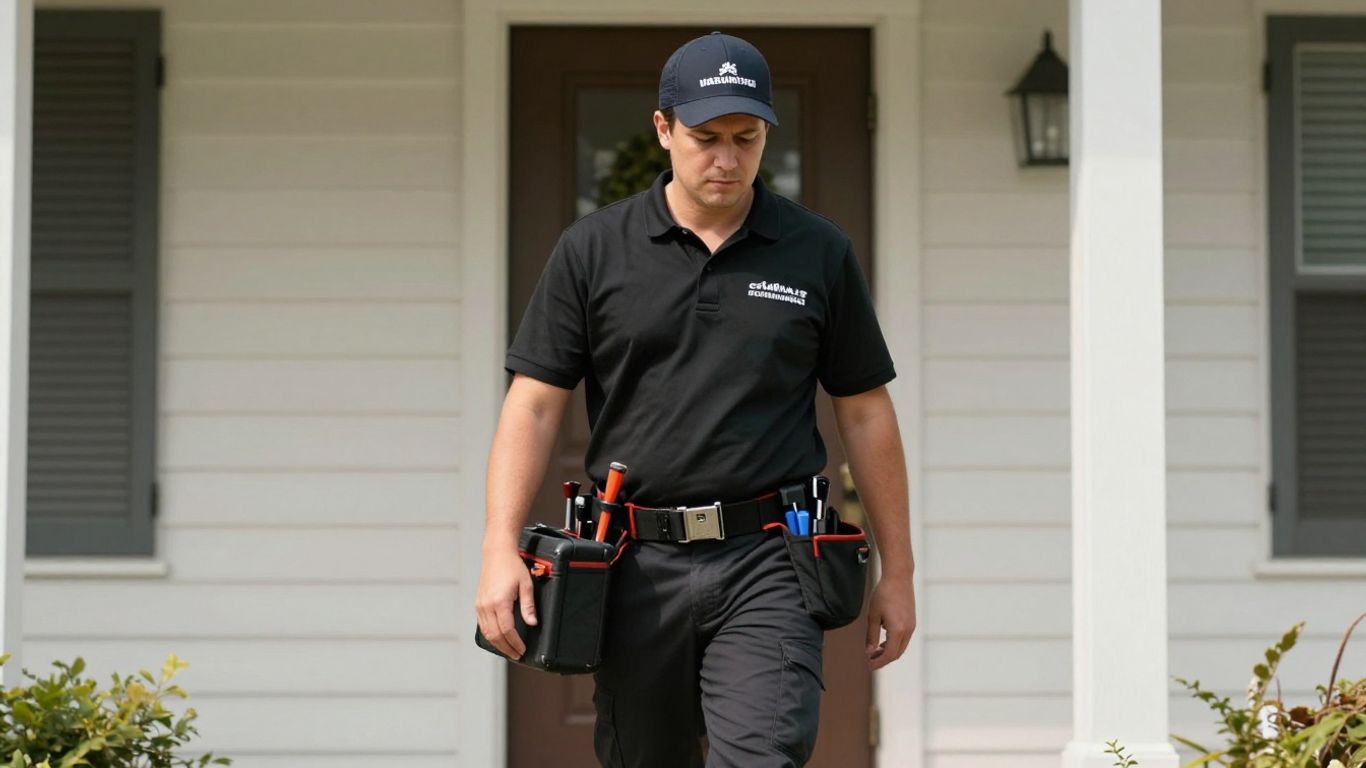
Mobile technicians eliminate the hassle of towing or scheduling appointments around shop hours. When you request your service, these professionals bring the entire inventory and power of a machine shop directly to your driveway. This is particularly valuable when you have lost all existing keys and cannot move your vehicle.
Higher accuracy through advanced diagnostic tools
Professional mobile outfits prioritize the reliability of every cut and signal. By utilizing precise, computer-calibrated machines, they can compensate for wear in your lock cylinder. This results in keys that operate with much less resistance than those produced by generic retail equipment.
Expert handling of complex immobilizer and ECU systems
Mastering modern security is an intensive occupation. Technicians familiar with immobilizer systems know how to navigate the encrypted communications between your ignition and your car’s computer. They ensure that all security protocols are passed correctly, avoiding the common "immobilizer error" that can leave a vehicle dead on the driveway.
Greater cost-effectiveness compared to dealership markups
Dealerships often include significant administrative premiums in their pricing for parts and labor. A mobile technician can frequently provide the same level of service at a price that reflects the actual labor without the additional corporate overhead. Most experts offer upfront estimates, giving you peace of mind that there won’t be surprise charges when they finish the job.
Factors affecting the quality of your key copy
Using OEM versus aftermarket key blanks and shells
Original Equipment Manufacturer (OEM) blanks are designed to exact factory specifications, ensuring the metal composition is correct for the lock’s tumbler pins. While aftermarket shells can save money, they occasionaly feature thinner metal or slightly different dimensions that can bind inside a high-tolerance cylinder. Selecting high-quality, durable components is vital for long-term reliability.
Importance of professional calibration and laser cutting
Modern locks often require laser-cut blades that must be finished with extreme precision to account for internal geometry. A professional who calibrates their equipment daily ensures the microscopic spacing between the peaks and valleys on your key blank is exact. This process prevents the premature wear that occurs when a poorly cut key repeatedly scrapes against delicate internal lock parts.
Risks of attempting to copy a worn-down or damaged master key
If you bring a master key that has edges smoothed by years of use, a duplicating machine will likely replicate those same flaws. Over time, these small deformations can lead to broken pins inside your lock. It is often smarter to have a locksmith use your VIN or key code to cut a fresh, factory-grade key rather than risk copying a compromised master.
Guaranteeing functional compatibility with existing locks and ignitions
Testing the key in all available locks is a final, crucial step in quality control. A well-made key should rotate smoothly without requiring excessive force or multiple attempts. When you choose an expert, they typically verify this compatibility as part of the service, ensuring you won’t face frustrating failures with your car or home access.
Handling emergency or broken key situations
Safely extracting broken keys from locks or ignitions
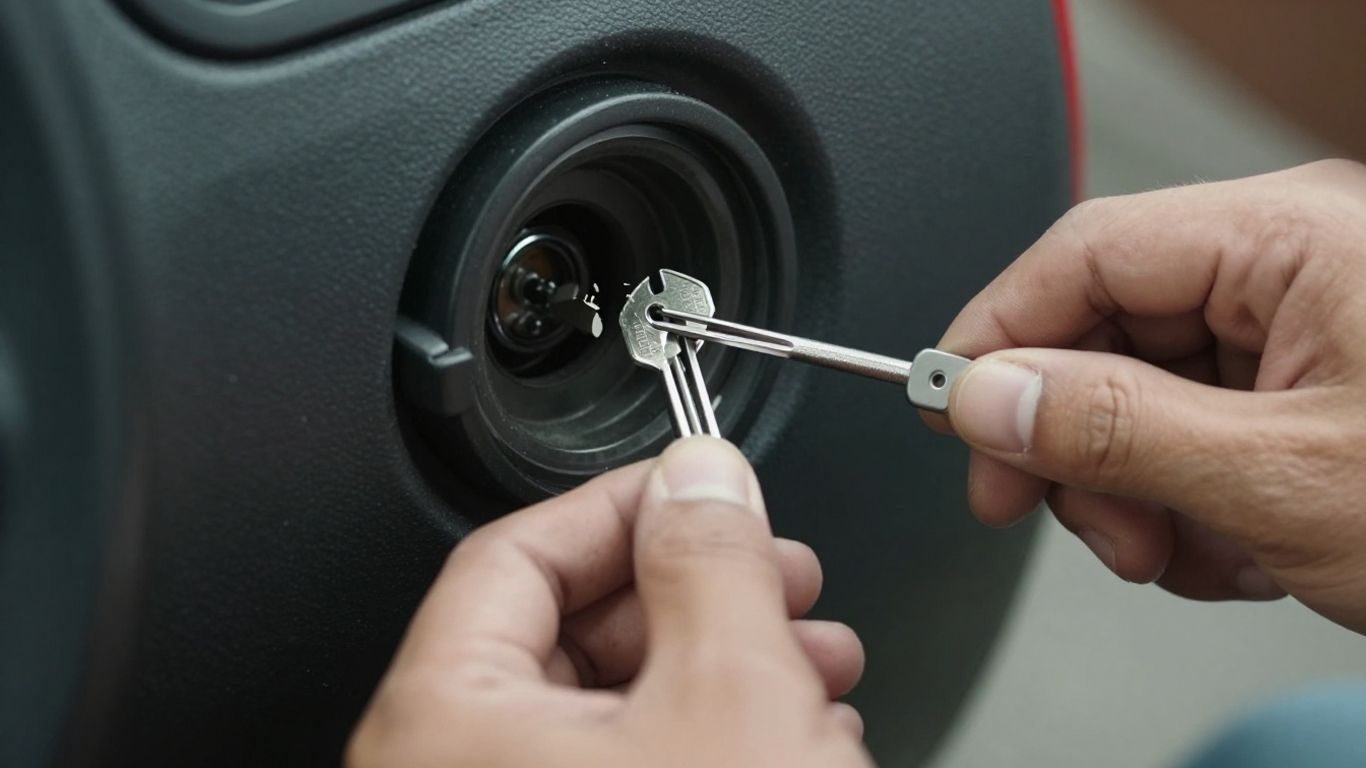
Finding a piece of your key lodged inside your ignition can be alarming, but forcing it further inside often creates more damage. Professionals use specialized hook-style extraction tools to retrieve the broken segment gently. Below is a summary of typical emergency response steps:
| Assessment Phase | Intervention Phase | Completion Phase |
|---|---|---|
| Verify the make and model | Use extraction tools | Clean debris from cylinder |
| Identify fragment location | Test lock spring integrity | Program new replacement key |
| Estimate cost and time | Verify ignition rotation | Confirm full system lockout check |
Re-keying locks after a lockout or security incident
If you have suffered a security breach or are prone to misplacing keys, re-keying is an effective solution. This process does not require replacing the physical lock housing; rather, it changes the internal tumbler pins so old keys no longer operate. It is a cost-effective way to restore total security to your property without buying all new hardware.
Rapid replacement for lost or stolen vehicle keys
If your keys are lost, you need to neutralize the old security credentials immediately to prevent unauthorized access. Mobile technicians can program your vehicle to ignore the missing keys while coding new ones to work with your engine. This ensures the physical key in someone else’s hands becomes essentially worthless for moving the vehicle.
Verifying proper programming for new electronic fobs and remotes
Modern keyless entry systems must be cycled through a specific pairing sequence to register the fob with the vehicle’s onboard sensors. Proper verification involves not just testing the ignition but checking every remote button, from trunk release to automatic window control. This ensures that the replacement remote provides a seamless experience identical to your original.
Cost and time expectations for key services
Why duplication prices vary by key complexity and vehicle model
Advanced keys involving encryption and specialized rolling codes naturally require more time and expensive hardware than standard mechanical keys. The model year of your car also plays a significant role; newer systems often use more sophisticated chips that require constant updates to the locksmith’s diagnostic databases. This disparity accounts for wider pricing ranges in the automotive sector versus the basic residential market.
Realistic time frames for simple cuts versus advanced programming
Simple key copies takes mere seconds, whereas complete coding for a luxury car can take thirty to sixty minutes. If a locksmith mentions a 30-minute arrival window, this usually refers to travel time rather than the total project duration. Clear communication at the start helps you plan your day while the professional manages the job’s requirements.
Balancing speed with quality to ensure long-term reliability
Running to the first available service might seem like a solution for today, but shortcutting the diagnostic process can result in a key that stops working within a month. Investing a few extra minutes allows the technician to calibrate their tools properly and ensure the key is correctly mirrored. This balance of professional caution with efficient service results in a product that you can trust for years.
Requesting accurate, transparent quotes from local technicians
Most reliable locksmiths provide estimates based on your specific needs, such as the vehicle’s year, make, and model. Before the van arrives, ask for a clear explanation of what is included in the price—is it a simple cut, or does it include electronic site-programming fees? Knowing this upfront helps you avoid the common pitfalls of SEO lead generation services that might bait you with low numbers only to increase them later.
Conclusion
Selecting the right path for your key copies depends heavily on the security requirements of your home or vehicle. By focusing on professional mobile services for complex tasks while utilizing local resources for basic needs, you can ensure that your access remains reliable and secure. Always prioritize transparency and quality to avoid long-term issues, making your daily routine significantly smoother.
Frequently Asked Questions
Can I copy any type of key at a retail kiosk?
No, most retail kiosks are limited to basic, non-electronic keys and cannot process transponders or modern high-security keyways that require diagnostic tools.
What do I do if my key has a plastic head?
If your key has a plastic head, it likely contains a transponder chip, which means you will need a technician equipped to program that chip to communicate with your vehicle’s engine computer.
Is it always cheaper to visit a dealer for keys?
Usually, visiting a dealer is more expensive because of administrative surcharges, and it often requires you to arrange for your vehicle to be towed to their service center.
How long does a typical emergency lockout service take?
An emergency service visit usually lasts anywhere from thirty minutes to an hour, depending on the complexity of the lock and whether the key needs to be programmed on-site.
Can I still get a duplicate if I lost my original key?
Yes, an experienced locksmith can usually cut a new key using your vehicle identification number and proof of ownership, or by decoding the lock cylinder directly.
Should I re-key my locks if I just moved in?
It is strongly recommended to re-key locks when moving into a new home, as you never know how many copies of the original key were distributed to past tenants, contractors, or neighbors.
What is a transponder key?
A transponder key contains a microscopic chip with a unique code that the car must verify before the fuel pump and ignition start the engine, providing a vital layer of anti-theft protection.